

Creative Workshops That Build Confidence
Finding and choosing art, music, and maker programs that fit your kid's personality — and actually keep them engaged.

Why Creative Workshops Matter
We know the feeling. You're scrolling through workshop options and thinking, "Will my kid actually like this?" Here's what's real — not every program works for every child, and that's completely okay. The workshops that stick are the ones where kids feel safe to mess up, try again, and actually enjoy the process.
Creative workshops aren't just about making things. They're about building the confidence to try, fail, create more, and feel proud of what you've made. Whether it's painting, music, robotics, or woodworking, the right program can change how a kid sees themselves — and what they believe they're capable of.
Skill Development
Real techniques learned from experienced instructors, building technical ability and creative thinking.
Confidence Building
Kids discover what they're capable of through hands-on creation and peer support.
Community
Meeting other kids who share interests creates friendships and a sense of belonging.
Types of Creative Workshops
Different programs work for different kids. Here's what's available and what to expect.
Visual Arts Programs
Painting, drawing, sculpture, and mixed media workshops usually focus on technique and self-expression. Kids learn about color, composition, and materials while working on individual projects. Most programs run in 4-8 week sessions with small class sizes — usually 8-12 kids per instructor. You'll notice real progress pretty quickly. After the first month, many kids start experimenting with their own style instead of just copying what the teacher shows.
Music & Performance
From beginner ukulele to choir to dance, performance-based workshops build confidence through practice and recitals. These programs work well for kids who need structure and clear goals — they're practicing toward something concrete. Most programs include a performance element, which can be nerve-wracking but also incredibly empowering. Kids learn discipline alongside creativity.
Maker & STEM Workshops
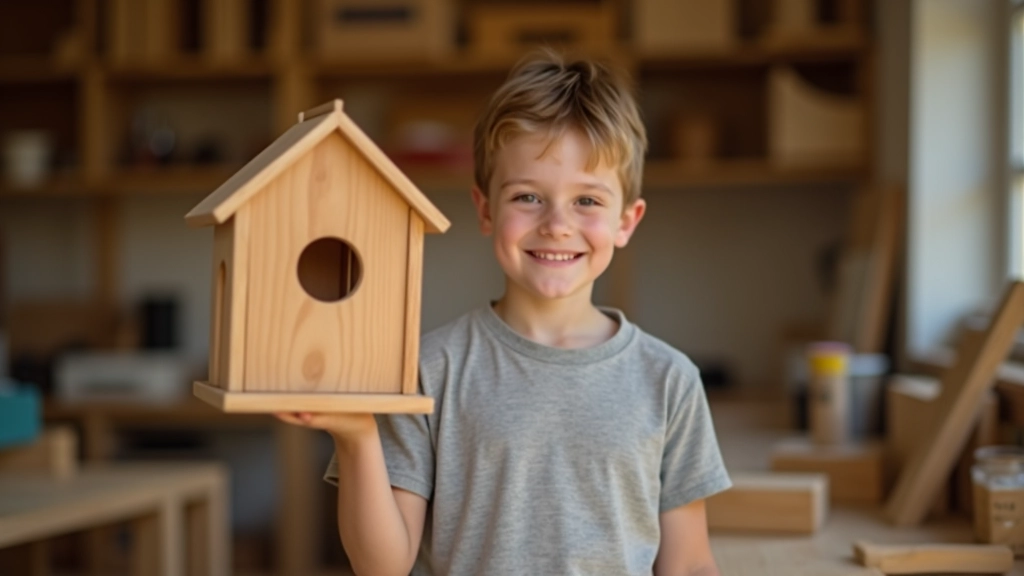
Robotics, woodworking, coding, 3D printing, and electronics workshops blend creativity with problem-solving. These appeal to kids who like building, troubleshooting, and seeing immediate results. The hands-on nature keeps engagement high, and kids often don't realize how much they're learning because they're too focused on finishing their project.


How to Choose the Right Workshop
Start with your kid's personality
Does your child like working alone or in groups? Do they want structure or freedom? Some kids thrive in small class settings where they get individual attention. Others do better with larger groups and peer learning. There's no wrong answer — you're just looking for the right fit.
Check the instructor's approach
This matters way more than the fancy equipment. A good instructor meets kids where they are, celebrates effort not just results, and creates a safe space to experiment. Look for bios that mention teaching experience with kids, not just professional credentials. Parent reviews often mention whether the instructor is patient and encouraging.
Test the timing and commitment
Short workshops (4-6 weeks) are great for testing if your kid likes something. Longer sessions (10-12 weeks) let them really dig in. Don't commit to a full semester if you're unsure. Most programs offer single-session or drop-in options so you can see if it's a good fit before signing up for the whole term.
Location is reasonable (15-20 min drive)
Class size fits your child's learning style
Schedule works with your family's routine
Instructor has clear teaching philosophy
You can attend a trial class first
Keeping Kids Engaged Long-Term
Starting a workshop is exciting. The real magic happens when kids want to keep going.
01
First Few Weeks: Let Them Adjust
New environment, new people, new skills — it's a lot. Don't expect confidence immediately. Kids need 2-3 sessions to feel comfortable, maybe 4-5 to start enjoying it. If your child's frustrated the first week, that's normal. Give it time before deciding it's not the right fit.
02
Weeks 3-6: Build on Small Wins
This is when progress becomes visible. A kid finishes their first painting. They nail a guitar chord. They solve a coding challenge. Notice these moments and celebrate them genuinely. Not every achievement needs a trophy — just acknowledge what they did.
03
Month 2+: Deepen the Interest
If they're still excited, lean in. Ask about projects. Practice at home if they want. Connect them with other kids from the workshop. Some kids want to move into advanced sessions or try related workshops. Others are happy staying in the same program for years. Both paths are fine.
Real Talk: What Actually Works
Not every workshop is a perfect fit. We've talked to hundreds of families, and here's what we've learned actually sticks.
"My son wasn't sure about the pottery class at first. By week three he was asking if we could go more often. He comes home and practices on his own. That's when I knew it was the right program."
— Jessica, parent
The confidence piece is real
Kids who stick with creative workshops develop a specific kind of confidence — not "I'm the best at this" but "I can figure things out" and "I'm allowed to try and mess up." That's the good stuff. That translates everywhere else in their lives.
The friendship factor
Half the kids we talked to said the best part was the other kids in the program. They found their people. Same interests, same age, same room every week. Sometimes kids make friendships that stick for years. Sometimes it's just "I like going because my friends are there" and that's valid too.
When to switch programs
Give it a full session (at least 6-8 weeks) before deciding. But if your kid is dreading it by week 5, something's off. Maybe the instructor's style doesn't click. Maybe the group dynamic isn't right. Maybe your kid just picked something because it sounded cool but it's not actually interesting. That's information. Try something else. Workshops are supposed to be enjoyable.

Getting Started This Spring
Spring is the perfect time to try something new. Here's your action plan.
1
Make a list
What's your kid interested in? Art, music, building, problem-solving, something else? Write it down. Also write down their learning style — do they like structure or freedom, groups or one-on-one attention?
2
Research programs
Check local community centers, art studios, maker spaces, schools, and libraries. Most have websites or Instagram showing what they offer. Read recent reviews and look at instructor bios. Message them with questions if something seems like a fit.
3
Visit or attend trial
Don't sign up sight unseen. Visit the space, talk to the instructor, watch a class if possible. Does it feel welcoming? Is the instructor engaging? Is the energy good? Trust your gut and your kid's gut too.
4
Commit to a trial run
Start with a short session (4-6 weeks if available) or a single session. See how it goes. Your kid needs time to adjust, but by week 4 you should know if this is something they want to keep doing.
The Confidence That Comes From Creating
The workshops that actually change kids are the ones where they feel safe to be themselves, learn something real, and discover they're capable of making something cool. That confidence doesn't stay in the workshop. It follows them into school, friendships, challenges, and everything else.
Finding the right program takes a little work upfront, but it's worth it. Start small, stay flexible, and watch for that moment when your kid stops saying "I have to go to class" and starts saying "When do we go back?"
Ready to explore?
Start by asking your kid what sounds interesting. Then check your local community center, art studio, or maker space websites. Most programs have open enrollment in March and April.
Browse More Learning ResourcesAbout This Article
This article provides general information about creative workshops and child development. Every child is different, and what works for one may not work for another. We recommend discussing program selection with teachers, counselors, or your pediatrician if you have specific concerns about your child's learning style or development. Workshop availability and quality vary by location — always visit programs in person and trust your instincts.
Related Resources