
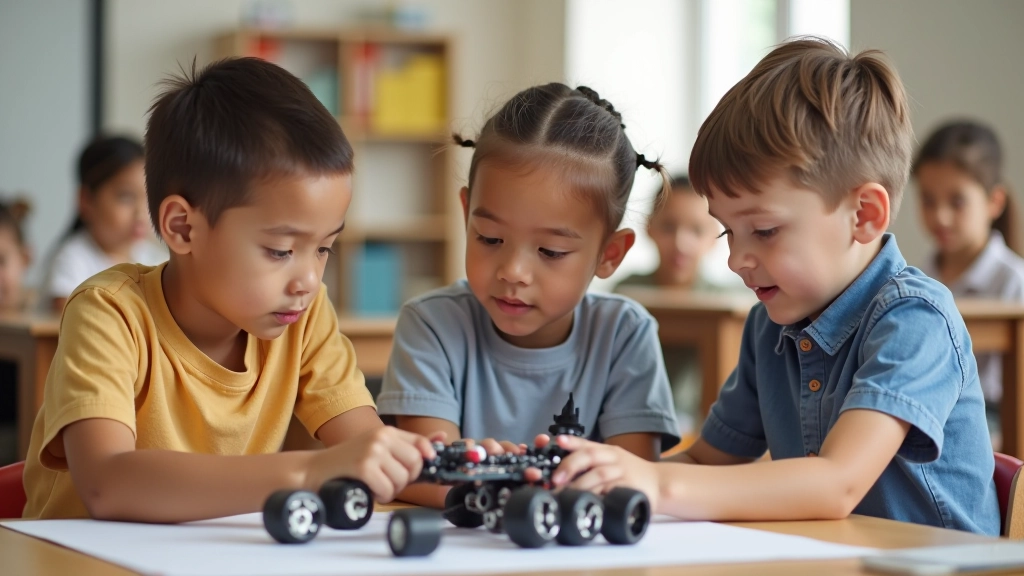
Learning Through Play
Play-Based Learning: Why It Actually Works
How creative play builds problem-solving skills and emotional development — practical activities you can start this week.
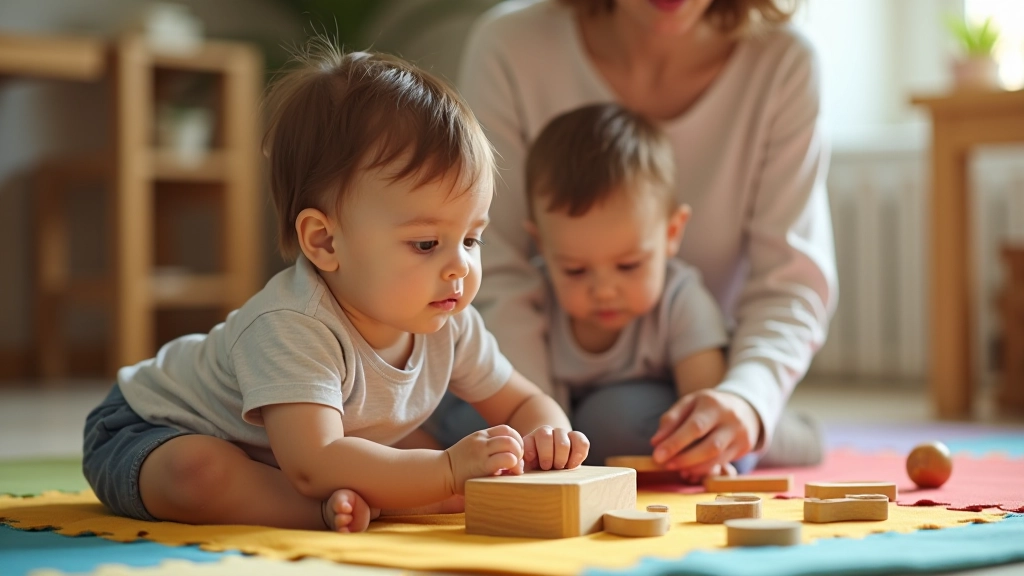
The Simple Truth About How Kids Learn Best
You don't need fancy worksheets or expensive programs. When your kid's playing, something remarkable is happening — their brain's building connections you can't see. Block towers teach physics. Pretend cooking teaches math. Tag teaches strategy.
Play-based learning isn't new. It's not trendy either. It's just what works. Kids who spend time in creative play develop stronger problem-solving skills, better emotional control, and more confidence. They're learning without realizing they're learning. And that's exactly when learning sticks.
What Play-Based Learning Actually Means
It's not chaos. It's not kids running wild without structure. It's guided exploration where children take the lead — they choose what to do, how to do it, and how long to spend on it. Adults are there observing, asking questions, and introducing new challenges when the moment's right.
Why Play Actually Builds Stronger Brains
When kids play, they're working harder than they would sitting at a desk. Their brains are firing on all cylinders. Here's what's actually happening:
Problem-Solving Gets Practiced
Building something and watching it fall teaches cause and effect. Figuring out how to reach a toy on the shelf teaches engineering thinking. They're solving real problems in real time.
Emotional Skills Develop Naturally
Playing with other kids means learning to share, take turns, handle disappointment, and celebrate wins. These aren't lessons — they're experiences kids live through.
Creativity Becomes the Default
When kids aren't following instructions, they're inventing them. They're imagining scenarios, testing ideas, and thinking in new directions. This is where innovation starts.
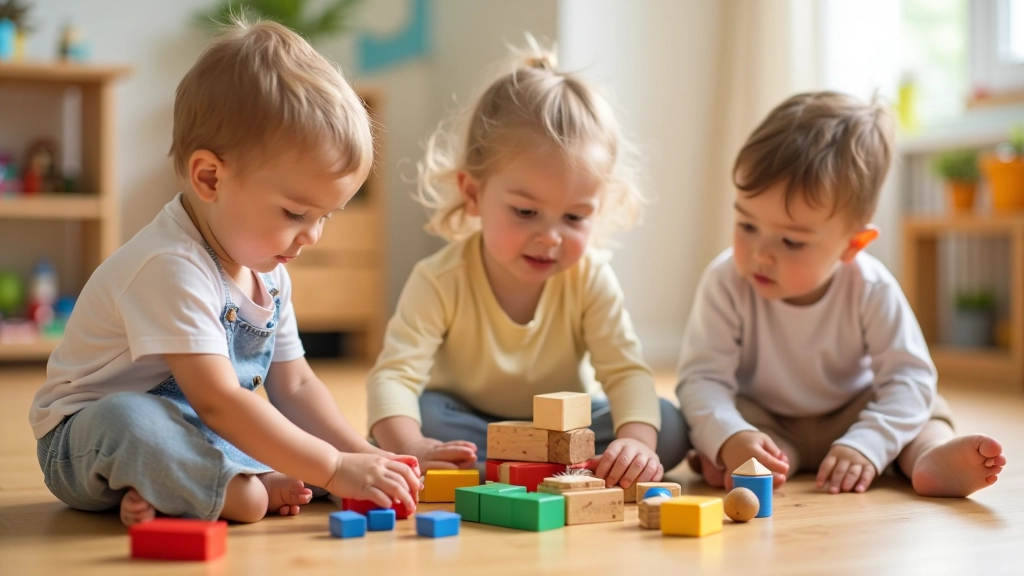
Play-Based Activities You Can Start Today
You don't need to buy anything new. Look around your house. Here's what actually works:
01
Kitchen Exploration Station
Give kids safe kitchen items — wooden spoons, plastic containers, dry pasta, rice in sealed bags. They'll pour, mix, measure, sort by color and size. They're learning volume, measurement, and sensory awareness. Plus they're quiet for 30 minutes while you drink coffee.
02
Build and Redesign Challenges
Give them blocks or Lego and ask them to build something specific — "Can you make a bridge that holds your stuffed animal?" Then they problem-solve. Will they use more blocks? Stack them differently? They're engineering.
03
Pretend Play Scenarios
Set up a scenario — restaurant, doctor's office, grocery store. Let them run it. They're developing social skills, language skills, and learning how the world works. You just provide the space and materials.
04
Nature Collection and Sorting
Go outside and collect leaves, rocks, sticks, flowers. Back inside, they sort by color, size, texture, or whatever system they invent. They're categorizing, observing details, and developing scientific thinking.
The Mistakes Parents Make With Play-Based Learning
Here's where most parents get stuck. They want to support play but end up controlling it:
Interrupting Too Much
Your kid's stacking blocks for 15 minutes silently. Resist the urge to ask "What are you building?" or suggest improvements. Let them work. Interruptions break their focus and make the play about pleasing you instead of exploring.
Over-Structuring Everything
If you're scheduling play time into 15-minute blocks with specific learning outcomes, you're not doing play-based learning anymore. You're doing structured activities. Both are fine, but they're different. Play needs room to breathe.
Showing Them How Instead of Asking
They're trying to fit a square block through a round hole. Instead of showing them the round hole, ask "What else could you try?" Let them discover. The struggle is where the learning happens.
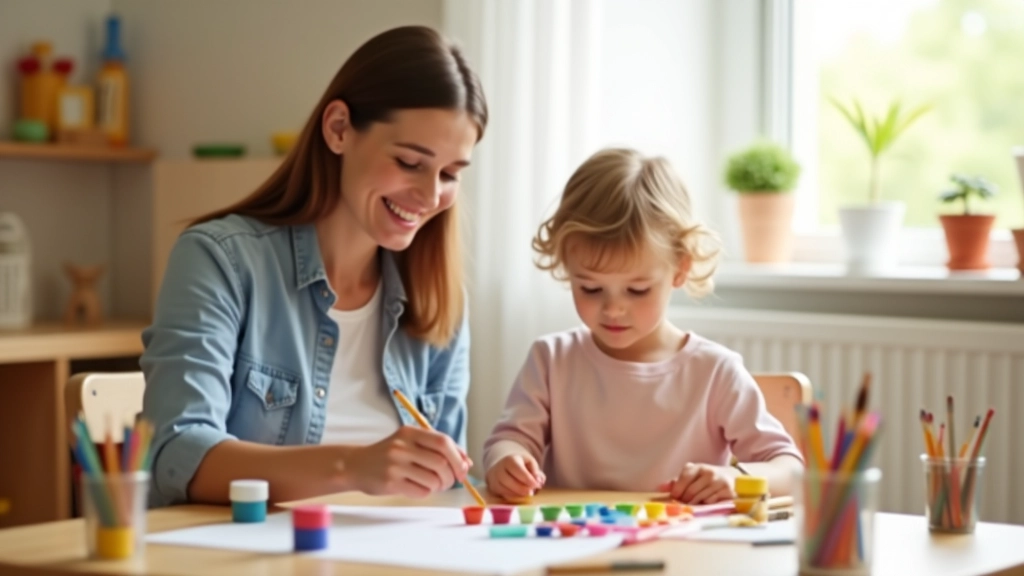
What Play-Based Learning Looks Like at Different Ages
The activities change, but the principle stays the same: follow their lead and let them explore.
Ages 2-3
Sensory exploration is everything. Water play, sand, play dough, banging pots. They're discovering how things feel and sound. Messy is the point.
Ages 4-5
Pretend play takes over. Imaginative scenarios, role-playing, storytelling. They're developing language and social understanding. Building becomes more complex.
Ages 6-8
Games with rules, team activities, projects with multiple steps. They're learning strategy, cooperation, and can handle more challenge. They want to create things that actually work.
Ages 9+
Creative projects, sports, building hobbies, collaborative games. They're developing expertise and working toward self-directed learning. Independence matters more.
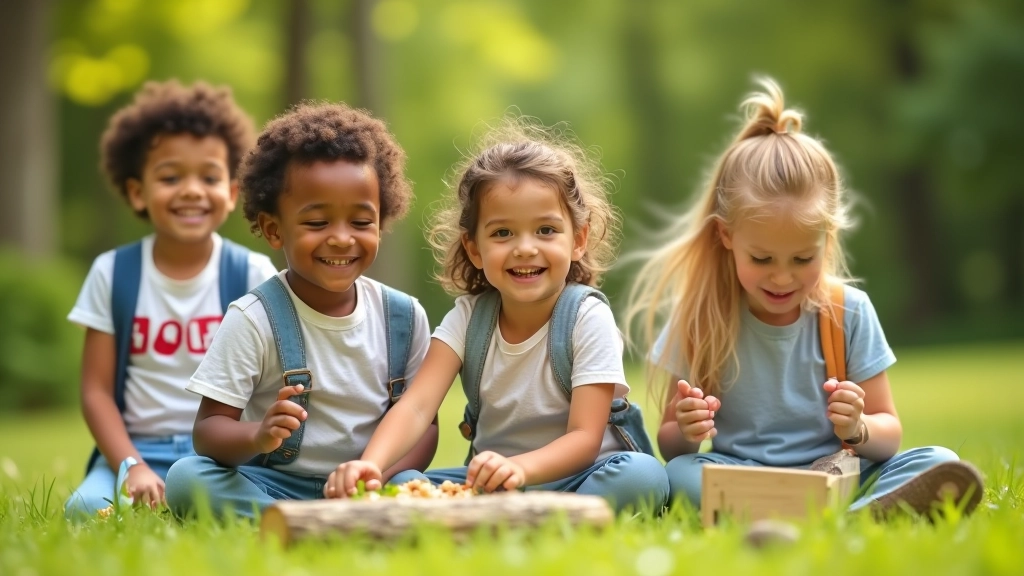
What the Research Actually Shows
Play-based learning isn't something people invented last year. There's actual research behind it. Studies from the last 20 years show that kids who engage in regular free play:
- Score higher on problem-solving tests compared to kids in structured-only programs
- Show better emotional regulation and handle frustration more effectively
- Develop stronger social skills and better peer relationships
- Are more creative in finding solutions to new challenges
- Have higher intrinsic motivation — they want to learn because learning is rewarding, not because of external rewards
The research is clear: play-based learning works. Not as a substitute for other learning, but as a core part of childhood development that can't be skipped or rushed.
Start This Week
You don't need permission to do this. You don't need expensive toys or special training. You just need to step back, watch what your kid gravitates toward, and give them space and materials to explore.
Pick one activity from the list above. Set it up. Walk away. Watch what happens when you're not directing. That's play-based learning. That's how real development happens.
Your kid's brain is building itself through play. Trust the process. It actually works.
Related Articles
Important Note
This article is informational and educational in nature. It's based on widely accepted child development principles and research, but every child is unique. If you have specific concerns about your child's development or learning, consult with your pediatrician, a child psychologist, or an educational specialist who can assess your individual situation. Play-based learning complements but doesn't replace professional guidance when needed.