

Tracking Developmental Milestones: What to Expect
Clear guidelines for birth to age five — what's typical, what's not, and when to ask for help without the worry.
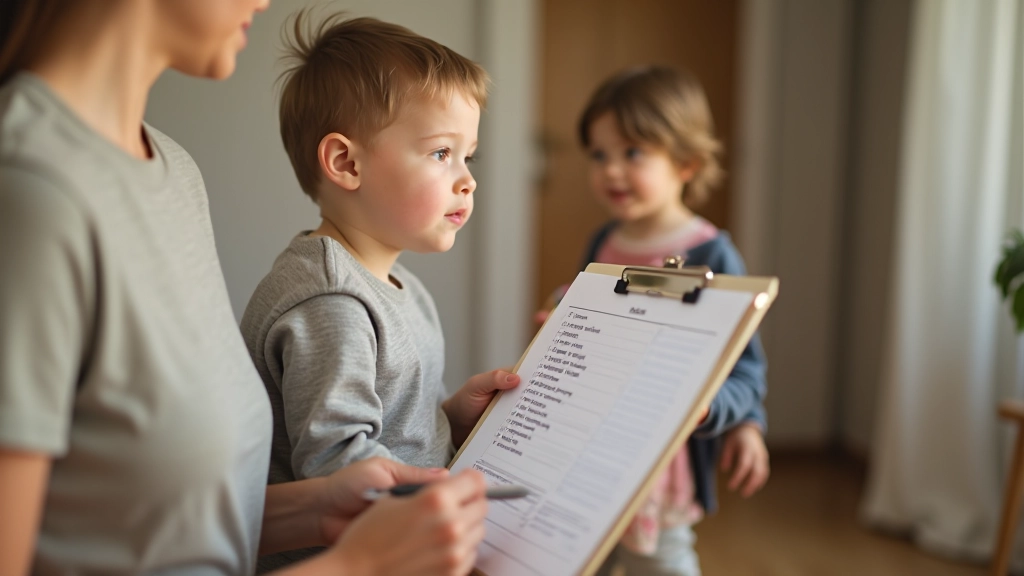
Why Milestone Tracking Matters
Every child develops at their own pace. But there's real value in knowing what typically happens when. It's not about comparing your kid to others — it's about understanding their growth and catching anything that might need extra support.
We're talking about physical skills like rolling over, social abilities like smiling at caregivers, language development, and problem-solving. These aren't rigid checkpoints. They're ranges. A child who walks at 11 months and one who walks at 15 months? Both completely normal.
The real benefit comes when you notice patterns. When development seems delayed across multiple areas. That's when talking to your pediatrician actually helps.

Birth to 12 Months: Foundation Building
The first year is all about connecting with the world around them.
What Happens Early
At birth, babies can't really do much. They cry, they eat, they sleep. But within weeks, things shift. By 2-3 months, you'll see genuine smiles. Not gas. Real smiles that happen when they see your face.
By 6 months, most babies roll over, track moving objects with their eyes, and start reaching for things intentionally. They're babbling — "babababa" sounds that have nothing to do with real language yet, but everything to do with learning how their voice works.
Around 9-12 months, crawling typically starts (though some kids skip this entirely and go straight to walking — also fine). They're understanding simple words like "no" and their own name. Separation anxiety might kick in too. That clingy behavior? It's actually a sign of healthy attachment.
Quick check:
By 12 months, does your baby respond to their name, point at
things, and show interest in other people? If yes, you're likely
on track.

Ages 1-2: The Explosion Begins
Language and mobility happen fast during this year.

Walking, Talking, and Everything In Between
This is where things get visible. By 15-18 months, most toddlers are walking. Some do it at 12 months, others at 20 months. Both are normal. Walking is just one skill. Standing without support, climbing on furniture, kicking a ball — these all come during this period.
Language explodes. By 12-15 months, you might hear a few real words ("mama," "dada," "dog"). By 18 months, many kids have 10-50 words. By 2 years, they're putting two words together ("more milk," "mommy go"). That's vocabulary explosion territory.
Socially, they're becoming more interested in other kids, though actual play together doesn't happen yet. They play alongside other kids, not with them. They're also testing boundaries — saying no, being stubborn, having big feelings. Sounds fun, right?
Ages 2-5: Skill Building and Independence
These years bring remarkable growth in thinking, language, and social skills.
Ages 2-3
Vocabulary jumps from 50 words to 200+. Sentences get longer. They follow two-step directions ("Go get your shoes and come here"). Potty training readiness varies widely — anywhere from 18 months to 3+ years is genuinely normal.
Physical skills: Running (though still wobbly), climbing stairs, drawing circles, playing simple games.
Ages 3-4
Speech is much clearer. Most kids are using full sentences. They're interested in why questions ("Why is the sky blue?"). Imagination kicks in — pretend play with dolls, action figures, imaginary friends.
They can dress themselves (with help), pedal a tricycle, and handle basic scissors. Socially, they're starting to actually play together, not just alongside peers.
Ages 4-5
Language is quite sophisticated. They tell stories, understand jokes, and ask increasingly complex questions. They're learning pre-reading skills — recognizing letters, understanding that words have meaning.
Fine motor skills improve: They can draw recognizable shapes, write some letters, use utensils well. Gross motor: Hopping, skipping, balance improving. They're becoming genuinely independent.
When to Watch and Ask Questions
Variation is normal. Delay across multiple areas? That's when you talk to someone. Here's what actually warrants a conversation with your pediatrician:
Communication delays:
By 12 months, no babbling or gestures. By 2 years, fewer than 50 words. By 3 years, difficulty following simple directions.
Motor concerns:
By 15 months, not pulling to stand. By 2 years, difficulty with stairs or running. By 4 years, can't pedal a tricycle or throw a ball.
Social or behavioral:
Persistent difficulty with eye contact. No interest in other children. Extreme resistance to change. Repetitive behaviors that seem compulsive.
Your gut feeling:
You know your kid. If something feels off, it's worth mentioning. Your pediatrician won't think you're overreacting.

Getting Support If You Need It
Early intervention services exist for a reason. In the U.S., these are free or low-cost programs for kids birth to 3 who show developmental delays. You don't need a formal diagnosis. You just need to ask.
Your pediatrician can refer you. Or contact your state's early intervention program directly — they'll do a screening. If your kid qualifies, they'll get services. If they don't, you've gotten expert feedback and peace of mind.
"Most kids who get early support catch up completely. The earlier you act on concerns, the better the outcomes. And honestly, most of the time, kids are just fine."
— Common perspective from early childhood specialists
Tracking milestones isn't about creating anxiety. It's about being informed. Understanding what's typical, recognizing your child's unique timeline, and knowing when to ask for a professional opinion. You've got this.
Related Resources


About This Information
This article provides educational information about typical developmental milestones for children from birth to age five. It's not a substitute for professional medical or developmental advice. Every child develops at their own pace, and variations within normal ranges are common.
If you have concerns about your child's development, talk to your pediatrician or contact your local early intervention program. They can provide personalized assessment and guidance based on your specific situation.